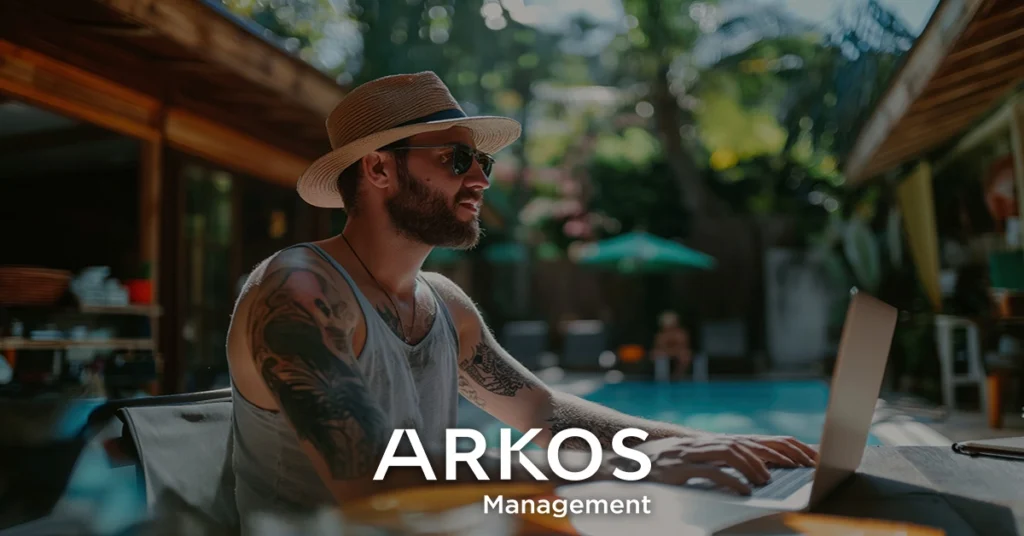
In recent years, the term digital nomad has gained popularity among professionals seeking greater work and personal freedom. This lifestyle allows remote work from anywhere in the world, but it also involves a set of fiscal and legal responsibilities that are essential to understand in order to comply with the tax laws of the country.
Freelance digital nomads enjoy unique flexibility, but they must be aware of their responsibilities to avoid tax issues and ensure compliance with international regulations.
Today we’ll tell you all about freelance digital nomads: duties and obligations they must fulfill, the taxes they must pay, the legal regulations they must follow and the benefits they can take advantage of. If you are a freelancer working from anywhere in the world, read on for a complete guide on how to properly manage your tax and legal situation.
Discover how to make the most of the digital nomad lifestyle while keeping everything in order!
Do you want a expert consultation? Contact us and we will help you.
What taxes do digital nomads need to pay?
Working as a digital nomad does not exempt you from fulfilling tax obligations in the country where you reside or generate income. As a freelancer, you must be aware of the different taxes that apply depending on your tax residency and the countries in which you operate.
One of the most important aspects to consider, for example, is the Personal Income Tax (IRPF), which varies depending on how long you spend in each country. Additionally, if you invoice international clients, Value-Added Tax (VAT) can be a key factor in your finances.
Now let’s look at the main taxes, duties, and obligations that affect freelance digital nomads, and how to avoid double taxation through international tax treaties. Staying informed and up to date on your tax obligations is essential to fully enjoy the freedom this lifestyle offers, while avoiding penalties and legal issues.
Personal Income Tax (IRPF)
Personal Income Tax (IRPF) is one of the main taxes that digital nomads must deal with, especially those who spend more than 183 days in a country, such as Spain, as this determines their tax residency. IRPF applies to income earned through professional activity, and the tax rate varies depending on the country of residence. For example, in Spain, this tax is applied progressively, meaning the more you earn, the more you pay.
For digital nomads, it’s crucial to identify where they are generating most of their income and where they spend the majority of the year in order to determine the place of taxation. If your tax residency is in Spain, you will have to file an IRPF return just like any resident, which involves declaring all global income earned throughout the year, including work done for international clients.
Value-Added Tax (IVA)
IVA is another key tax for digital nomads operating as freelancers. This indirect tax is applied to the sale of goods and services, and every time you invoice a client, you will need to add the corresponding VAT to your fee. VAT is applied differently in each country, which can be confusing for those working with international clients.
For example, in the European Union, if you sell services to another member country, you may be exempt from applying VAT if your client has an intra-community VAT number. However, for clients who do not have one, you will need to add VAT according to local regulations. Additionally, this tax must be declared quarterly, and as a freelancer, it is your responsibility to stay on top of payments.
Double Taxation and Tax Treaties
One of the biggest challenges digital nomads face is double taxation, meaning paying taxes in two different countries for the same income. This often happens when you work in one country but maintain tax residency in another. Fortunately, many countries have signed double taxation treaties that allow workers to avoid paying taxes twice.
These bilateral tax treaties establish that if you have already paid taxes in one country, you can reduce or eliminate your obligation to pay taxes in another. For digital nomads, it’s essential to learn about the treaties between the countries where they work and reside in order to avoid double taxation and plan their tax burden efficiently.
Do you want a expert consultation? Contact us and we will help you.
Legal Obligations of Digital Nomads
Being a digital nomad involves duties and obligations, as you may already know, which vary depending on the country in which you are located and operate. These regulations range from tax residency to compliance with local tax and visa laws. Each country has its own set of rules and it is essential for digital nomads to familiarize themselves with them to avoid penalties or legal problems.
Here, we’ll outline the obligations digital nomads must consider to ensure they are operating within the legal framework. From tax residency to local regulations and social security systems, we explain everything you need to know to keep your legal situation in order while enjoying the flexibility of remote work.
Tax Residency and International Regulations
Tax residency is one of the most important factors that determine where you need to pay taxes. For digital nomads, this concept is complex, as they often live in different countries throughout the year. Generally, if you spend more than 183 days in a country, it becomes your tax residency, and therefore, you will be obligated to pay taxes there.
However, there are ways to optimize your tax residency, such as frequently changing countries or establishing your base in a place with favorable tax treaties. This requires careful planning, as countries often have strict regulations to prevent tax arbitrage by mobile workers.
Compliance with Local Regulations
Each country has its own set of tax and labor laws. If you are working as a digital nomad in a foreign country, you must ensure that you comply with local regulations, which may include obtaining visas and enrolling in the social security system. Some countries offer specific visas for digital nomads, like Estonia or Croatia, which facilitate prolonged stays and taxation in those territories.
Working in a country without complying with local regulations can lead to severe penalties, so it is essential to be informed about the laws in the country where you are temporarily residing.
Social Security and Contributions
Another important aspect for digital nomads is social security. Depending on where you establish your residence, you may be required to contribute to the local social security system, which involves paying fees that cover benefits such as access to medical services, pensions, and social benefits.
Some countries allow you to continue contributing to your home country’s social security while working as a digital nomad, while others require you to enroll in their system if you stay for an extended period. If you plan to move between countries, it is important to check how to manage your international contribution status to avoid gaps in your coverage.
Benefits of Being a Freelance Digital Nomad
The lifestyle of a freelance digital nomad offers a range of unique advantages, making this option increasingly attractive to professionals worldwide. One of the greatest benefits is freedom: working from anywhere allows you to create your own schedule and tailor your work environment to your preferences.
Being a digital nomad not only redefines the concept of work but also allows you to enjoy greater personal and professional independence.
Freedom and Flexibility
The biggest draw of being a digital nomad is undoubtedly freedom. You’re no longer tied to an office schedule or a fixed location. This flexibility allows you to organize your work according to your preferences, whether you like working in the morning or the evening, or prefer taking a break to explore new places. Traveling the world while maintaining your income stream lets you experience different cultures and live in cities that match your interests.
This freedom extends not only to your geographic location but also to the type of projects you take on. You can choose work that aligns with your skills, interests, and time, giving you full control over your professional life. In short, being a digital nomad means having the power to choose how and where you want to work, resulting in a much higher quality of life.
Opportunities for Cost-of-Living Savings
One of the biggest benefits many digital nomads take advantage of is the ability to save on living costs. By being able to choose where to live, you can opt for destinations that offer a high standard of living at much lower prices than in your home country. Places like Thailand, Bali, or Mexico have become paradises for digital nomads due to their affordable cost of living, fast internet, and thriving remote work communities.
This kind of savings allows digital nomads not only to live on a smaller budget but also to invest more in their business or recreational activities that enhance their personal experience. If you manage your expenses well and take advantage of differences in living costs, you can build up significant savings while enjoying an adventurous life in exotic locations.
Access to International Markets
Working as a digital nomad opens the door to a global network of clients and opportunities. You are not limited to a single market or region, meaning you can work with companies or clients from different parts of the world. This not only diversifies your income but also allows you to learn about new business cultures and broaden your understanding of different industries.
Access to international markets gives you the advantage of working with different currencies, which, in some cases, can lead to higher rates if you choose clients from countries with stronger economies. Moreover, being connected to global networks expands your opportunities to collaborate with other freelancers or companies on large-scale projects that may not be available in your home country.
Being a freelance digital nomad offers you a level of independence and control over your professional life that few other forms of work can provide. From the freedom to travel and work from anywhere, to savings on living costs and access to a global labor market, this lifestyle is replete with opportunities and benefits that allow for a higher quality of life and professional development. However, to make the most of these benefits, it is crucial to be well informed about your fiscal and legal obligations, from paying taxes to complying with regulations where you are.
Today we learned about Digital Nomads: duties and obligations, and how with proper planning and efficient management of your responsibilities, you can enjoy the independence and control that being a digital nomad offers while keeping everything in order.
Ready to live the life of a digital nomad? Make sure you are aware of the laws and regulations of the country you are in and make the most of this amazing opportunity to work while exploring the world. If you need advice, don’t hesitate to write to us. Your adventure starts now!
Do you want a expert consultation? Contact us and we will help you.
Disclaimer: This article is for informational purposes only and may contain errors or be outdated. It does not constitute legal advice. For an updated initial consultation, contact us. One of our expert attorneys will assist you.