The rise of remote work has led to different ways of managing professional life, with the digital nomad and intercompany models becoming increasingly popular. While digital nomads enjoy the freedom of working from anywhere in the world, intercompany employees have the flexibility of remote work but within the structure and limits of a company. However, both styles come with unique advantages and challenges that should be considered before choosing one.
Today we will delve into Digital nomad or intercompany: how to organize remote work and offer you strategies to improve productivity in teams that operate in a distributed manner. Whether you aspire to the flexibility of being able to work from anywhere in the world or prefer the security of a more structured corporate environment, here you will find information that will help you make the best decision for your future career.
Keep reading to discover how to organize your remote work while maintaining a healthy balance between your professional and personal life. Let’s get started!
Do you want a expert consultation? Contact us and we will help you.
Advantages and Challenges of Remote Work
Remote work has drastically changed the way we interact and perform our job duties. While it offers numerous advantages, it also comes with specific challenges that need to be addressed to ensure an efficient and balanced work experience.
Some of the main advantages include:
- Flexibility and autonomy: Remote work allows employees to set their own schedules and work from anywhere with internet access. This makes it easier to balance personal and professional life, which can improve overall well-being and motivation. For digital nomads, this flexibility is key, as they can travel without sacrificing their income or work commitments.
- Time and cost savings: Without commuting to an office, remote workers save both time and money on transportation, meals, and, in some cases, work attire. Companies also benefit by reducing expenses on physical infrastructure and other operational costs associated with an office.
- Access to global talent: Remote work enables companies to hire professionals from anywhere in the world, expanding access to diverse and specialized talent without geographic limitations. This is especially valuable in technology or creative sectors.
The most notable challenges are:
- Lack of social interaction and isolation: One of the biggest challenges of remote work is the lack of face-to-face contact with colleagues, which can lead to feelings of loneliness or disconnection. The informal interactions that naturally happen in an office can be hard to replicate virtually, affecting organizational culture and collaboration.
- Time management and productivity: For some workers, the freedom to manage their own time can become a trap if they fail to establish a clear routine. The lack of direct supervision may result in decreased motivation or increased distractions. Tools like Toggl or Harvest can help address this problem.
- Technological difficulties: Relying entirely on technology for work can be challenging if there are internet connection issues or failures in collaboration tools. It’s essential to have a stable tech setup and the right tools to ensure work is done effectively.
Remote work offers a unique balance between freedom and responsibility. To harness its benefits while mitigating its challenges requires proper planning, effective communication, and the use of technological tools that facilitate the day-to-day for both digital nomads and intercompany employees.
Flexibility in Schedules and Location
One of the greatest benefits of remote work is flexibility, highly valued by those seeking independence in their professional life. No longer tied to an office with a fixed schedule, you can organize your day based on your own rhythms and preferences. This ability to define your working hours allows for better management of your productive and personal times, often leading to greater job satisfaction.
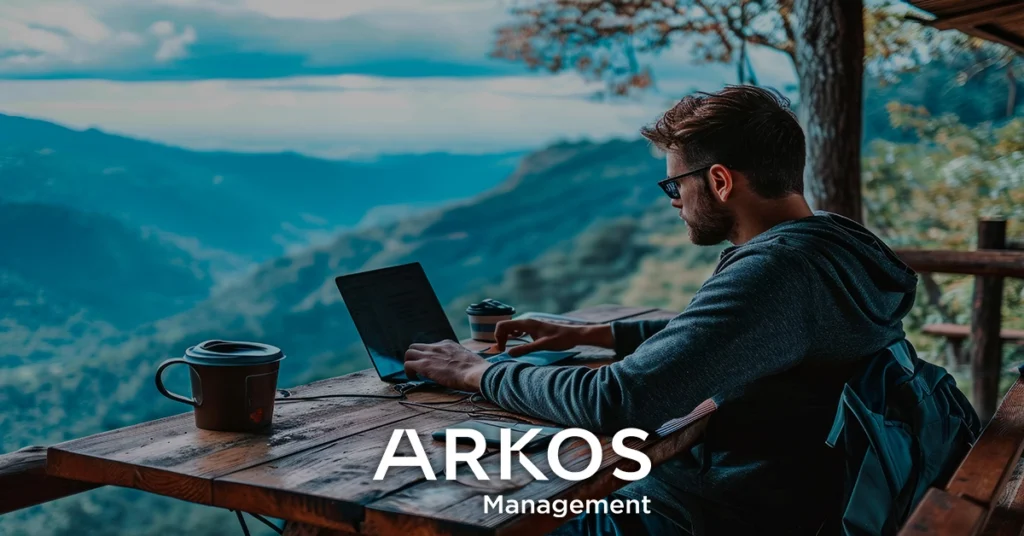
For digital nomads, this freedom also means you can work from anywhere in the world. Living in one city for a season and then moving to another becomes a reality without compromising your work life. This approach boosts productivity, as working in a comfortable environment chosen by you helps reduce stress and improve focus. However, this flexibility requires a high degree of self-discipline to avoid falling into procrastination or disorganization.
Communication Challenges for Remote Teams
While flexibility is a major draw for remote work, effective communication remains one of the primary challenges for distributed teams. Often, remote team members may feel isolated or disconnected if the right tools and processes aren’t in place to maintain coordination. Without a clear communication strategy, misunderstandings and project delays can easily arise.
To overcome this challenge, it’s crucial for remote teams to adopt appropriate communication tools like Slack, Microsoft Teams, or Zoom. Additionally, establishing a culture of transparency and continuous updates can help avoid “information silos,” ensuring all members are aligned with project goals and progress. Teams that invest time in structuring and organizing their virtual interactions often enjoy a more collaborative and effective environment.
Productivity and Time Management
Productivity in remote work can be a challenge, as the absence of a physical office structure can lead to a lack of time control and scattered focus on multiple tasks. For digital nomads, this challenge is even greater, as extreme flexibility can make it difficult to establish effective work routines.
To prevent this, it’s essential to use time management tools like Toggl or RescueTime. These applications help track the time spent on each task and adjust your focus to become more efficient. Additionally, setting a fixed work schedule, even if it’s flexible, helps improve concentration and increase productivity. To maximize performance, it’s recommended to set daily goals and use techniques like Pomodoro to segment work blocks.
Do you want a expert consultation? Contact us and we will help you.
Key Tools for Organizing Remote Work
When working remotely, the key to maintaining productivity and collaboration is having the right tools. Whether you’re a digital nomad or part of a company with distributed teams, having efficient technological platforms is crucial for smooth communication, project management, and file storage.
From video conferencing to task management platforms, these tools not only optimize workflows but also help avoid errors and increase team transparency. In this section, we’ll introduce the essential tools every remote team needs to ensure successful performance in the digital environment. Ready to maximize your work?
Communication and Video Conferencing Tools
The foundation of any effective remote team is solid communication. Tools like Slack, Zoom, or Microsoft Teams are essential for ensuring daily interaction and maintaining a connection between team members. Video conferencing enables face-to-face contact, which is crucial for maintaining team cohesion and solving problems in real-time. Additionally, these tools facilitate regular meetings, which are vital for fostering transparency and collaboration among colleagues.
Project and Task Management
To efficiently organize a remote team, it’s essential to have project management platforms that allow for clear visualization of task progress and assigning responsibilities.
Tools like Asana, Trello, or ClickUp provide boards where teams can clearly see who is working on what and what the priorities are. This not only facilitates coordination but also prevents bottlenecks and improves productivity by providing a comprehensive view of project status.
Cloud Storage and Collaboration
Another key to success in remote teams is cloud storage. Having access to documents and files from anywhere, at any time, is essential for remote workers. Tools like Google Drive, Dropbox, or OneDrive allow teams to collaborate in real-time, edit documents simultaneously, and share files securely without relying on email. This not only improves efficiency but also ensures that all information is centralized and accessible to everyone.
Digital Nomad vs. Intercompany: Which Option is Better?
With the rise of remote work, two models have gained popularity: digital nomads and intercompany employees. Both options offer professionals the opportunity to work remotely, but they differ significantly in terms of flexibility, financial stability, and lifestyle.
While digital nomads enjoy the freedom to move around the world, intercompany workers typically benefit from stable contracts and corporate perks. Let’s explore these two approaches to help you decide which option best suits your professional needs and priorities. Ready to dive in?
Lifestyle and Mobility
The main appeal of being a digital nomad is complete mobility. You can work from anywhere in the world, allowing you to travel and experience new cultures without compromising your career. This lifestyle is perfect for those who value independence and want to escape the traditional office routine. Living in different countries while working also lets you tailor your environment to your liking, choosing more affordable or culturally enriching destinations.
On the other hand, working in an intercompany setup offers a certain level of flexibility but is generally more restricted by company policies. Many companies allow remote work from a fixed location or within certain geographical limits, but they typically don’t offer the same level of freedom as the digital nomad lifestyle. However, intercompany work can be an excellent option for those who seek a balance between mobility and the stability of working for an organization.
Financial and Job Stability
One of the biggest challenges for digital nomads is financial instability. Most rely on short-term contracts or freelance projects, meaning their income can fluctuate significantly from month to month. As independent workers, they are also responsible for managing their own taxes, insurance, and retirement plans. While this lack of security can be exciting for some, it’s not ideal for those seeking stability.
In contrast, working for an intercompany generally provides greater financial and job security. Employees usually enjoy benefits such as health insurance, retirement contributions, and stable employment contracts. This type of work environment offers a safety net that many digital nomads lack. If you value predictability and long-term benefits, the intercompany model may be the better option for you.
Work-Life Balance
Maintaining a healthy work-life balance can be challenging for both digital nomads and remote intercompany workers. Digital nomads, while enjoying more freedom, often struggle to separate work from personal life due to a lack of a stable routine or fixed workspace. Total freedom can become a double-edged sword if work and rest times aren’t managed properly.
For intercompany employees, companies often implement clear digital disconnection policies that help establish boundaries between work and personal life. Additionally, the more structured environment of a company allows employees to enjoy time off without constantly managing projects or searching for new clients. This balanced approach can lead to a better quality of life for those who appreciate routine stability.
Tips for Maintaining Productivity in Remote Teams
Maintaining productivity in remote teams can be challenging without the traditional structure of a physical office. However, with the right strategies, it’s possible to maximize performance and ensure that all team members are aligned with their goals.
The key to productivity in these cases is creating a clear routine, establishing a suitable work environment, and consistently encouraging virtual collaboration. Keep reading as we share practical tips to help you and your team maintain high productivity levels, no matter the distance.
Establish Clear Routines
One of the most important aspects of staying disciplined is setting a clear daily routine. Having fixed start and end times for your workday helps structure your day and avoid distractions. Both digital nomads and intercompany workers should allocate specific time blocks for tasks and schedule regular breaks to maintain productivity. This strategy is especially useful for those working across different time zones, which can disrupt routines if not properly planned.
Create a Suitable Workspace
Having a dedicated workspace is crucial for concentration and performance, whether you’re working from home, a coworking space, or a café. It’s advisable to invest in ergonomic furniture and technological tools that facilitate your daily tasks. Digital nomads, in particular, should be mindful of creating a quiet and functional space, as constant location changes can affect focus if not well-managed. A suitable workspace is key to balancing comfort and productivity.
Encourage Virtual Collaboration
Virtual collaboration is essential for distributed teams. Whether working in an intercompany setting or on freelance projects, establishing smooth communication and organizing regular meetings are fundamental to keeping the team aligned and ensuring everyone is on the same page. Using tools like Zoom or Google Meet enables constant interaction and allows teams to maintain a collaborative dynamic, even if they’re not physically in the same place.
Now you know, whether you choose to be a digital nomad with the freedom to work from anywhere or prefer the stability offered by the intercompany model, it’s essential to organize your remote work to maximize productivity and maintain a balance between personal and professional life. Management tools will help you establish clear routines and encourage virtual collaboration in either scenario.
Each option has its own advantages and challenges, but the most important thing is to find the model that suits your needs, personality, and career goals. If you’re looking for flexibility and independence, the digital nomad lifestyle may be ideal for you, but if you value financial stability and the benefits of working for an established company, the intercompany model might provide the security you need.
Don’t wait any longer to change your professional life! Assess your priorities, implement the best practices, and start enjoying the benefits of remote work. Optimize your productivity and take your career to the next level, whether as a digital nomad or intercompany employee—you now know how to organize remote work.
Ready to take the next step? Fine-tune your methods, perfect your organization, and achieve success in any remote environment.
Do you want a expert consultation? Contact us and we will help you.
Disclaimer: This article is for informational purposes only and may contain errors or be outdated. It does not constitute legal advice. For an updated initial consultation, contact us. One of our expert attorneys will assist you.